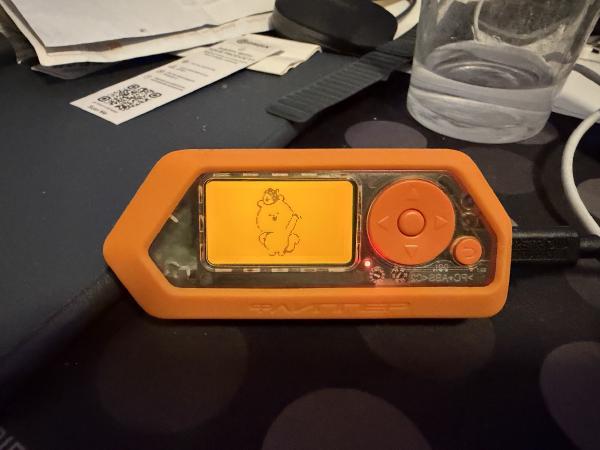
TL;DR: I had an AI write a plakar integration for the Flipper Zero. It talks to the stock firmware over USB, backs up the SD card and the internal flash, restores onto the same device or another one, and for the fun of it can keep a kloset on the Flipper itself.
TL;DR: I had an AI write a plakar integration to back up Minecraft servers without stopping them, it pauses world saves over RCON while the backup runs and lets players keep digging.
TL;DR: I have been silent for a while due to personal matters but I did a ton of stuff on OpenSMTPD, plakar and a handful of other projects. Why the silence ? # My last post was a bit unusual, far off from the usual light tone, and followed by months of silence despite my habit of writing almost monthly.
TL;DR: Significant refactoring to improve its performance, implemented read and write semaphores to throttle chunkers and reduce memory usage, introduced a repository index and packfiles to decrease the number of I/O operations, also intrioduced a new HTTP storage backend. A ton of refactors # I’ve done so much work on plakar in the past few weeks that I don’t even know what to begin with…
TL;DR: TL;DR: a lot of work in plakar, but also on CDC and index optimization. Optimized go-fastcdc # I ran into a benchmark which included my implementation of the FastCDC algorithm, and it made me realise that it was not on par with alternative implementations:
TL;DR: I reworked the virtual filesystem layer in plakar, making it possible to write custom importers of data: use plakar to backup an s3 bucket, for instance. @gpt-4: I won’t be commenting this article.
TL;DR: plakar gained two minor features, snapshots fork-ing and snapshots tagging, which makes it possible to unlock several major new features in a relatively short future. Plakar is not only for backups # If you have followed my work on this project, you may have assumed that plakar was intended solely for backups: it’s not entirely the case.
TL;DR: added comments support to the blog, did some music and hypnosis projects, fixed a few bugs in plakar and began a new toy project. Learnt myself some Swift # Got myself a book on the Swift programming language, spent a couple hours reading it and I really enjoyed it.
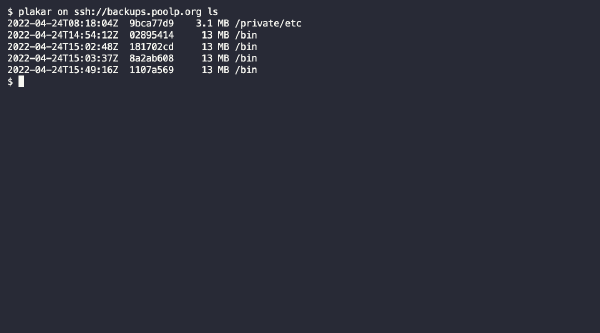
TL;DR: I refactored internal structures to split metadata from the index, implemented an stdio server and finally added SSH support. The plakar.io website # A project needs a website so… I published the plakar.io website.